Why Raccoons Tear Into Soffits, Fascia, and Roof Edges
People searching for raccoon removal seek help from local contractors to stop raccoons from tearing into soffits, fascia, and roof edges and causing damage.
If you’ve noticed raccoons tearing into soffits, fascia, or roof edges, you’re not alone. Property owners in the area often find themselves facing this issue, as raccoons are skilled at exploiting vulnerable spots around a home’s exterior to gain access or seek shelter. Understanding why raccoons target these areas can help homeowners take practical steps to protect their property and prevent further damage. Whether it’s for nesting, foraging, or simply exploring, raccoons see soffits and roof edges as convenient entry points that provide safety and easy access to the attic or roof space.
Local service providers who specialize in raccoon removal are familiar with the common reasons these animals are drawn to such parts of a property. They can assess the specific vulnerabilities that may be attracting raccoons and recommend effective solutions to keep these critters out. Exploring this topic can help property owners better understand the behaviors driving raccoons to tear into soffits, fascia, and roof edges-and how professional assistance can help restore security and peace of mind. Keep reading to learn more about raccoon behavior and how local experts can help address these challenges.
- Raccoon Damage Repair - homeowners noticing torn soffits or fascia may seek local contractors to restore damaged areas caused by raccoons.
- Roof Edge Restoration - when raccoons tear into roof edges, service providers can assess and replace compromised materials to prevent further intrusion.
- Soffit and Fascia Replacement - property owners experiencing raccoon-related destruction often work with local pros to replace or reinforce vulnerable soffits and fascia.
- Raccoon Prevention Repairs - after raccoons damage roof edges, local contractors can implement repairs that deter future attempts at entry.
- Wildlife Damage Restoration - those dealing with raccoon tearing into roof components often contact specialists capable of restoring and safeguarding affected areas.
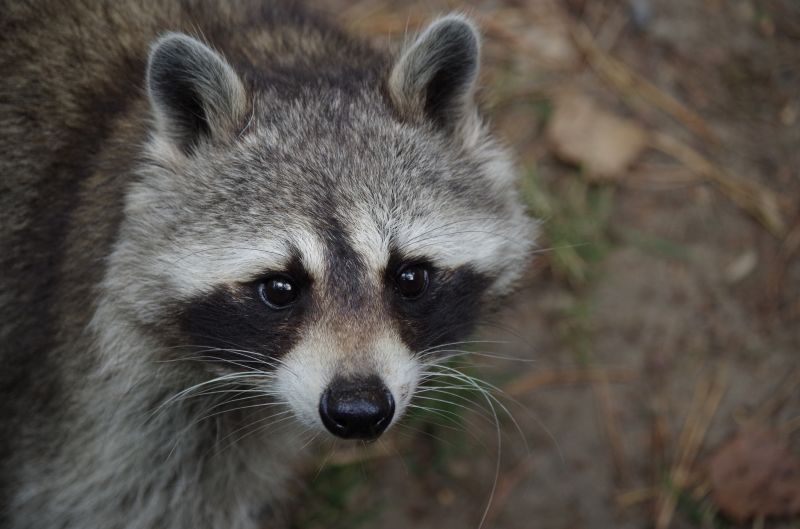
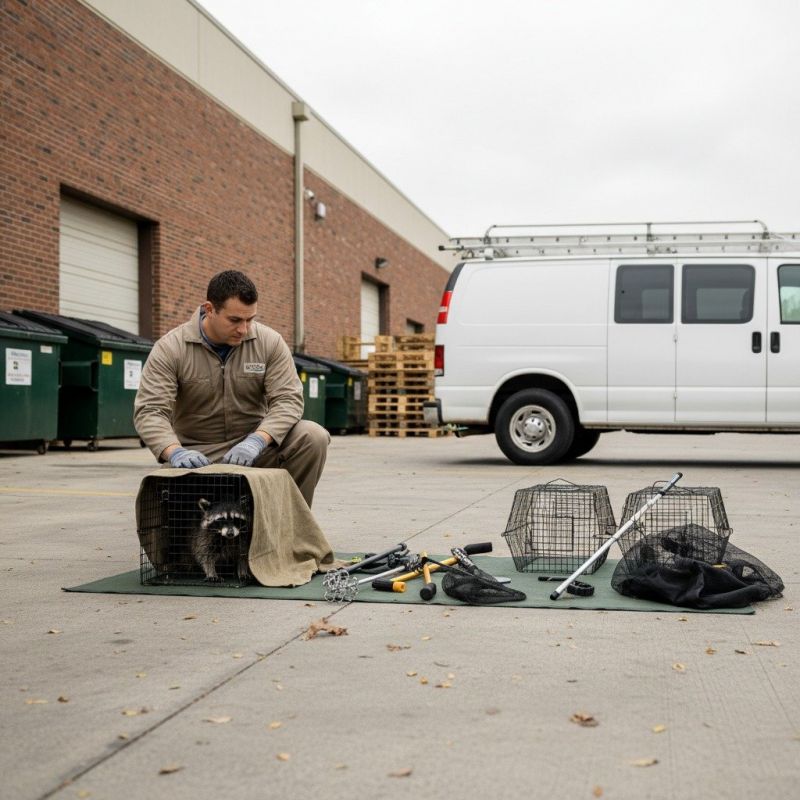
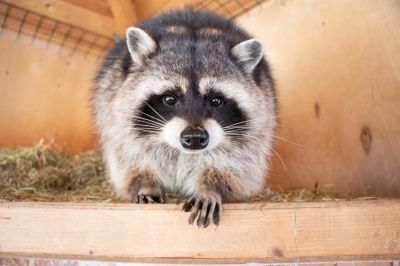
Understanding why raccoons tear into soffits, fascia, and roof edges is a common concern among homeowners dealing with wildlife intrusions. When people search this topic, they are usually trying to find out what attracts raccoons to these parts of a property and how to prevent or stop their destructive behavior. Raccoons are known for their curiosity and intelligence, which often leads them to explore and access the roofline, especially in areas where the soffits and fascia are damaged, loose, or easy to pry open. Recognizing the reasons behind this behavior helps homeowners identify vulnerabilities in their property and take steps to protect their homes from raccoon entry and damage.
This issue is closely related to property maintenance, wildlife control, and home security plans. Raccoons tearing into soffits and fascia can cause significant damage, leading to potential entry points for other pests or animals. Additionally, their activity may result in costly repairs, especially if they manage to access attic spaces or nest inside wall cavities. Many property owners seek solutions that involve both wildlife removal and repairs to make their homes less appealing or accessible to raccoons. Local service providers specializing in raccoon removal can assess the property, identify entry points, and recommend or perform repairs to prevent future invasions, helping homeowners safeguard their investments.
The types of properties most affected by raccoon activity are typically residential homes, especially those with accessible roof edges, damaged or deteriorated soffits, or poorly maintained fascia boards. Homes in suburban or rural areas, near wooded regions, or close to water sources tend to experience higher raccoon activity. Multi-story houses with accessible rooflines or older buildings with gaps and loose materials are also common targets. These properties often have features that raccoons find easy to exploit for shelter, nesting, or foraging. Homeowners with such properties are encouraged to work with local contractors who can perform wildlife-proofing and repairs to reduce the risk of raccoon damage.
Addressing why raccoons tear into soffits, fascia, and roof edges involves understanding their natural instincts and behaviors. Raccoons are opportunistic omnivores that often seek food sources and safe nesting sites. They might tear into roof edges to access attic spaces where they can build nests or find shelter. Sometimes, they are attracted by the smell of food or the warmth of an occupied attic. Local pros experienced in raccoon removal can help identify these attractants and implement exclusion methods to prevent raccoons from returning. Their expertise is vital in ensuring that repairs and wildlife-proofing are effective, ultimately helping homeowners resolve the root causes of raccoon activity and protect their homes from future damage.
Gutter Repair and Installation - Professionals in gutter services often handle repairs and installations that prevent raccoons from accessing roof edges and soffits, reducing damage caused by these animals.
Soffit and Fascia Replacement - Local contractors specializing in soffit and fascia replacement can help address vulnerabilities that raccoons exploit to tear into roof components.
Roof Vent Installation - Installing proper roof vents can deter raccoons from nesting or tearing into roof edges, with service providers experienced in ventilation solutions.
Bird and Animal Proofing - Experts in animal-proofing can install barriers and deterrents to prevent raccoons from tearing into roof edges and soffits.
Roof Inspection and Damage Assessment - Roofing specialists can identify and repair existing damage caused by raccoons, ensuring the roof remains secure against future entry.
Pest and Wildlife Exclusion - Service providers offering exclusion services can seal entry points to prevent raccoons from tearing into soffits, fascia, and roof edges.
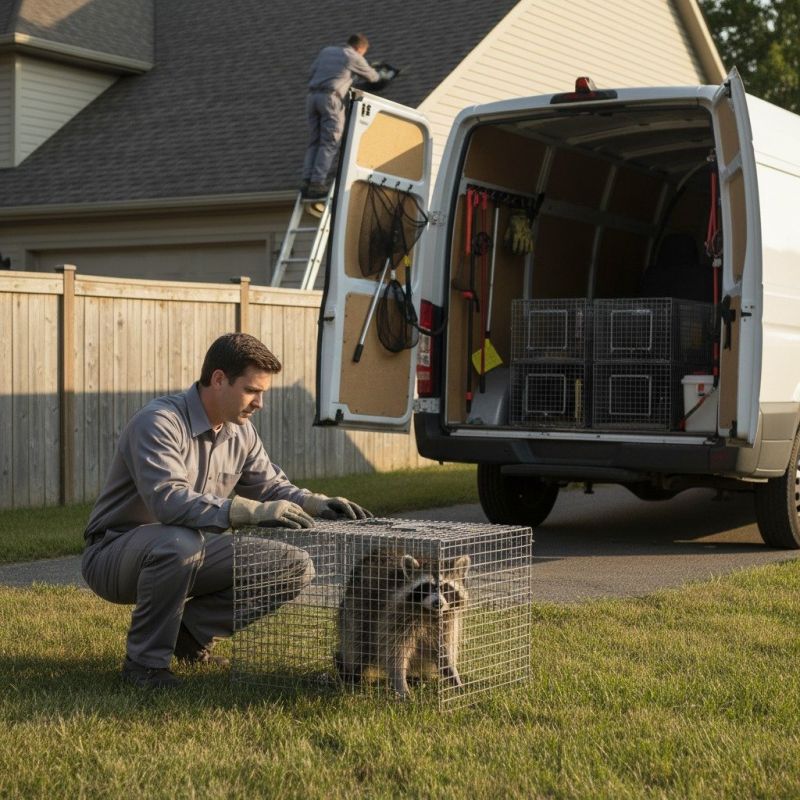
When evaluating local contractors for raccoon removal related to damage to soffits, fascia, and roof edges, it is important to consider their experience with similar projects. A service provider who has handled raccoon-related repairs and removals before is more likely to understand the specific behaviors of raccoons and the common entry points they target. This familiarity can lead to more effective solutions that address the root causes of the problem and help prevent future intrusions. Homeowners should inquire about a contractor’s background with wildlife-related repairs to ensure they have relevant expertise in safely and efficiently resolving issues caused by raccoons tearing into roof edges.
Clear written expectations are essential when comparing local contractors for raccoon removal services. A reputable service provider should be able to provide a detailed outline of what the work will entail, including inspection, removal, and repair processes. This helps homeowners understand what to expect and ensures there is alignment on the scope of work. Having a transparent plan also allows for better communication throughout the project, reducing misunderstandings or surprises. When reviewing proposals or estimates, it’s beneficial to look for providers who articulate their approach clearly and specify the services included, so homeowners can make an informed decision based on their specific needs.
Reputable references and strong communication are key factors in selecting a reliable local contractor for raccoon-related damage. Service providers who can provide references from past clients demonstrate a track record of satisfied customers and successful projects. Good communication ensures that homeowners can ask questions, receive updates, and feel confident that their concerns are understood and addressed. Since raccoon removal and repair work can involve multiple steps, having a contractor who communicates clearly and promptly can make the process smoother and less stressful. Collecting feedback from previous clients and assessing how well a contractor communicates can help homeowners choose a professional who will deliver quality work with transparency and responsiveness.
Property owners often search for why raccoons tear into soffits, fascia, and roof edges when they are planning practical projects around their homes and businesses. Local pros provide Raccoon Removal services for everyday jobs and straightforward project options.
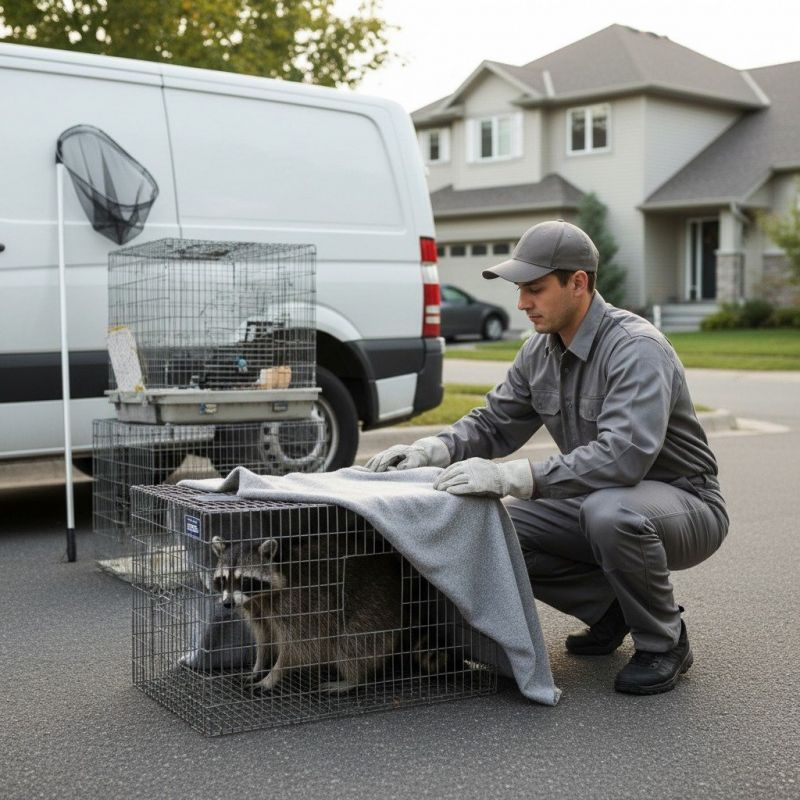
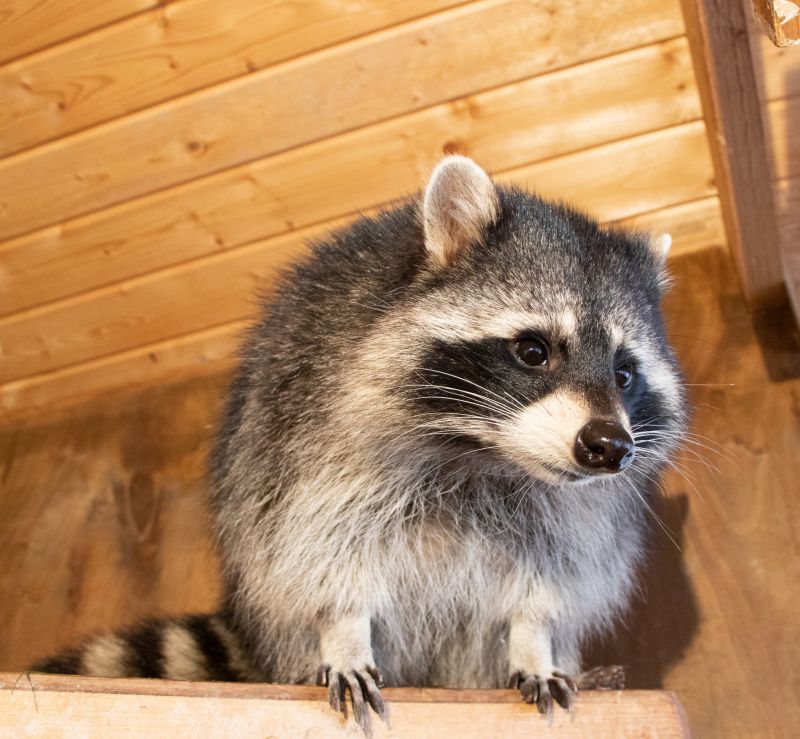
Understanding why raccoons tear into soffits, fascia, and roof edges can help property owners recognize early signs of wildlife intrusion. Raccoons are naturally curious and often seek out accessible spaces to explore, nest, or find food. Damaged or loose soffits and fascia provide easy entry points into attics and roof spaces, which raccoons find appealing for shelter or foraging. Homeowners who notice signs of tearing or damage in these areas may want to consider professional raccoon removal services to address the problem before it worsens or leads to further property damage.
Local contractors experienced in raccoon removal are equipped to handle these situations safely and effectively. They can identify how raccoons are gaining access, assess the extent of the damage, and implement solutions to prevent future intrusions. Engaging with these service providers can help property owners protect their homes from ongoing wildlife issues, ensuring that raccoons are safely removed and that vulnerable roof edges are repaired or secured to deter future visits.
Why do raccoons target soffits, fascia, and roof edges? Raccoons often tear into soffits, fascia, and roof edges to access attic spaces or find nesting sites, especially if they sense easy entry points or food sources nearby. Local contractors can help identify and seal these vulnerable areas to prevent raccoon intrusion.
What attracts raccoons to rip into roof edges and fascia? Raccoons are attracted by accessible entry points, warmth, and potential food sources such as bird nests or garbage. Addressing these attractants with the help of local service providers can reduce the likelihood of raccoon damage.
How can local pros help prevent raccoons from tearing into roof components? Local contractors can inspect for and repair damage, install barriers or deterrents, and secure roof edges to make entry difficult, helping to protect soffits, fascia, and roof edges from raccoon damage.
Are there specific signs that raccoons have torn into roof edges or soffits? Signs include chewed or ripped materials, displaced or damaged fascia and soffits, and debris around the roof area. Local service providers can assess the damage and recommend effective removal and prevention strategies.
Why is it important to address raccoon damage to roof edges promptly? Prompt action can prevent further structural damage, reduce the risk of raccoons entering the home, and avoid costly repairs. Local pros can handle both removal and repairs to restore roof integrity.
Identify vulnerable areas - property owners can inspect soffits, fascia, and roof edges regularly to spot damage or entry points that raccoons may target, prompting professional repairs.
Seal entry points - sealing gaps and holes detected in roof edges can prevent raccoons from tearing into these areas, with local contractors providing effective solutions.
Implement deterrents - installing physical barriers or deterrent devices around roof edges can discourage raccoons from attempting to access these vulnerable spots.
Schedule professional removal - when raccoons are already tearing into soffits and fascia, contacting experienced service providers ensures safe removal and repairs to protect the property.
If you are thinking about why raccoons tear into soffits, fascia, and roof edges for a property, this guide is meant to help you understand this topic, the typical project types, and how different options might fit your plans.
When you are ready, you can use the quote form on this page to share a few details about your project. From there, local pros can review the basics and follow up with options that match what you have in mind.