Common Entry Points Raccoons Use to Access Buildings
People seeking raccoon removal often want to identify and seal common entry points raccoons use to access buildings, and local contractors can effectively handle these repairs and removals.
Understanding the common entry points raccoons use to access buildings is essential for property owners looking to protect their investments and maintain a safe environment. Raccoons are highly resourceful animals that often exploit small openings, such as gaps in siding, damaged soffits, or unsealed vents, to gain entry into attics, crawl spaces, or basements. Recognizing these vulnerabilities can help prevent unwanted wildlife from establishing nests or causing damage, which is why many property owners in the area explore this topic to stay ahead of potential issues.
For those dealing with raccoon-related concerns, connecting with experienced local contractors who specialize in raccoon removal can make a significant difference. These professionals understand the typical entry points raccoons use and can assess properties to identify and seal potential access routes effectively. By addressing these entry points early, property owners can reduce the likelihood of future encounters, ensuring their buildings remain secure and raccoons are kept out of sensitive spaces.
- Attic vents and soffits - property owners may need this work when raccoons are found nesting in attic vents or soffit openings, with local contractors sealing or installing barriers to prevent access.
- Chimney caps and flues - homeowners experiencing raccoon entry through chimneys can rely on service providers to install or repair caps that block these common entry points.
- Roof eaves and fascia boards - when raccoons are suspected of climbing and entering via roof edges, local pros typically inspect and reinforce these areas to eliminate entry routes.
- Vents and exhaust openings - businesses or residents noticing raccoons near ventilation points can have local contractors secure or cover these openings to prevent future intrusions.
- Broken or damaged siding and fascia - property owners may need repairs or sealing of damaged siding where raccoons can squeeze inside, with local service providers handling the necessary repairs.


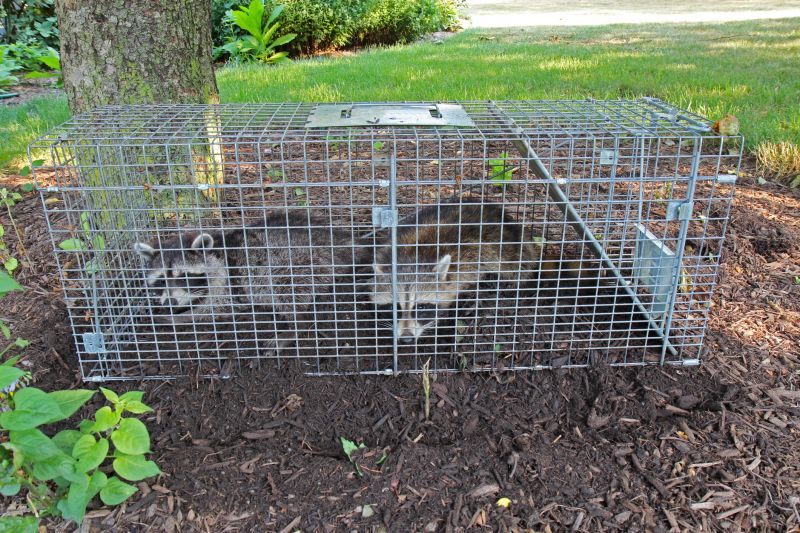
When people search for information about common entry points raccoons use to access buildings, they are usually trying to understand how these clever animals find ways inside their properties. This search often relates to concerns about raccoon infestations, property damage, or the safety of household spaces. Homeowners may notice signs of raccoon activity, such as noise at night, damage to roofing or siding, or the presence of raccoon droppings, prompting them to investigate how these animals are gaining entry. Understanding the typical ways raccoons access buildings helps property owners identify vulnerabilities and plan effective removal or exclusion strategies.
The problems associated with raccoon entry points often involve property damage, contamination, and the potential for raccoons to establish nests inside structures. Many plans for raccoon removal and prevention focus on sealing off entry points to prevent future incursions. Homeowners might be considering repairs to damaged areas or installing barriers to keep raccoons out. Local contractors who specialize in raccoon removal and exclusion are often called upon to assess properties, identify specific entry points, and implement solutions that block access effectively. Recognizing common entry points is a crucial step in protecting a property from ongoing raccoon issues.
Properties frequently affected by raccoon entry points include residential homes, especially those with accessible attics, chimneys, or roof structures. Garages, sheds, and outbuildings are also common targets due to their less secure doors and vents. Commercial buildings with similar vulnerabilities can also be at risk, particularly if they have gaps or openings that raccoons can exploit. In many cases, the problem begins with small openings that raccoons use to enter and then expand their access routes over time. Local service providers experienced in raccoon exclusion can help identify these vulnerabilities and recommend practical solutions tailored to each property type.
Understanding the common entry points raccoons use to access buildings is essential for homeowners looking to resolve ongoing issues or prevent future problems. These entry points often include roof vents, chimneys, gaps around windows or doors, and damaged soffits or fascia. Recognizing these vulnerabilities allows property owners to take proactive steps, such as sealing openings or installing barriers, with the help of local contractors specializing in raccoon exclusion. Properly addressing these entry points not only helps remove raccoons that may already be inside but also prevents new ones from gaining access, safeguarding the property in the long term.
Home Inspection Projects - professionals who assess building vulnerabilities can identify common entry points raccoons use to access buildings and recommend targeted sealing solutions.
Building Restoration Projects - contractors involved in repairing and restoring structures often address damage caused by raccoons entering through vulnerable access points.
Pest Proofing Services - specialists who focus on sealing and securing buildings to prevent animal entry, including raccoons, utilize similar planning and tools.
Structural Reinforcement Projects - local contractors working on strengthening building exteriors often handle sealing gaps and openings that raccoons exploit.
Roofing and Gutter Projects - roofers and gutter installers frequently address roof vents, chimneys, and eaves that raccoons use as entry points.
Wildlife Exclusion Projects - experts dedicated to humane removal and exclusion of animals employ similar techniques to block raccoon access points effectively.
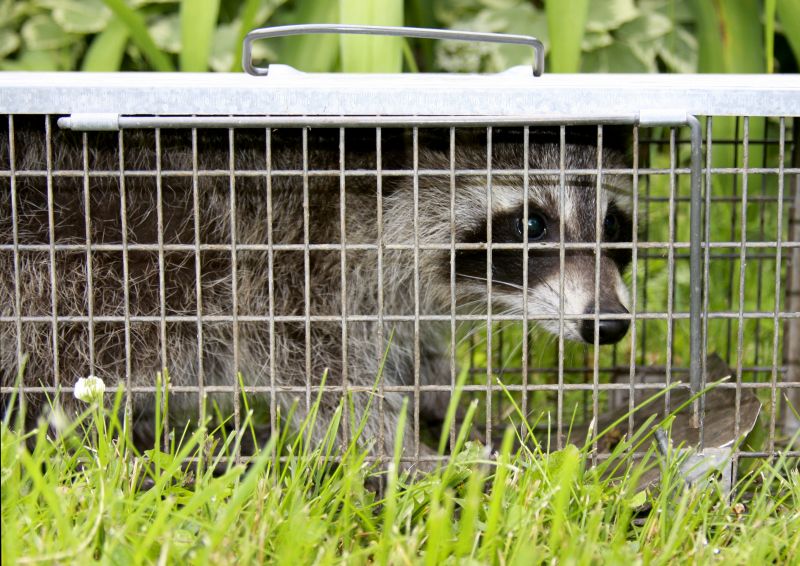
When considering raccoon removal services, it is important to assess the experience of local contractors with similar projects. Homeowners should inquire about the types of properties they have worked on and whether they have addressed issues related to common entry points raccoons use to access buildings. Contractors with a history of handling raccoon intrusions are more likely to understand the specific entry points to look for, such as roof vents, chimneys, or gaps around windows and doors. This familiarity can help ensure that the removal process is thorough and that all potential access points are identified and properly secured.
Clear written expectations are key to a successful engagement with a service provider. Homeowners should seek detailed descriptions of what the raccoon removal process entails, including how entry points will be identified and sealed, and what measures will be taken to prevent future intrusions. Having this information in writing can help prevent misunderstandings and provide a clear framework for the work to be performed. Reliable contractors will be transparent about their methods and ensure that homeowners understand each step of the process, making it easier to evaluate the quality and scope of the services offered.
Reputable references and good communication are equally important when selecting a local contractor for raccoon removal. Homeowners can ask for references or reviews from previous clients to gauge the quality of the contractor’s work and their professionalism. Additionally, responsive and clear communication during the inquiry process can indicate how well a service provider listens to concerns and explains options. Choosing a contractor who communicates effectively and has positive references can contribute to a smoother experience and greater confidence that the common entry points raccoons use to access buildings will be properly addressed.
Property owners often search for common entry points raccoons use to access buildings when they are planning practical projects around their homes and businesses. Local pros provide Raccoon Removal services for everyday jobs and straightforward project options.

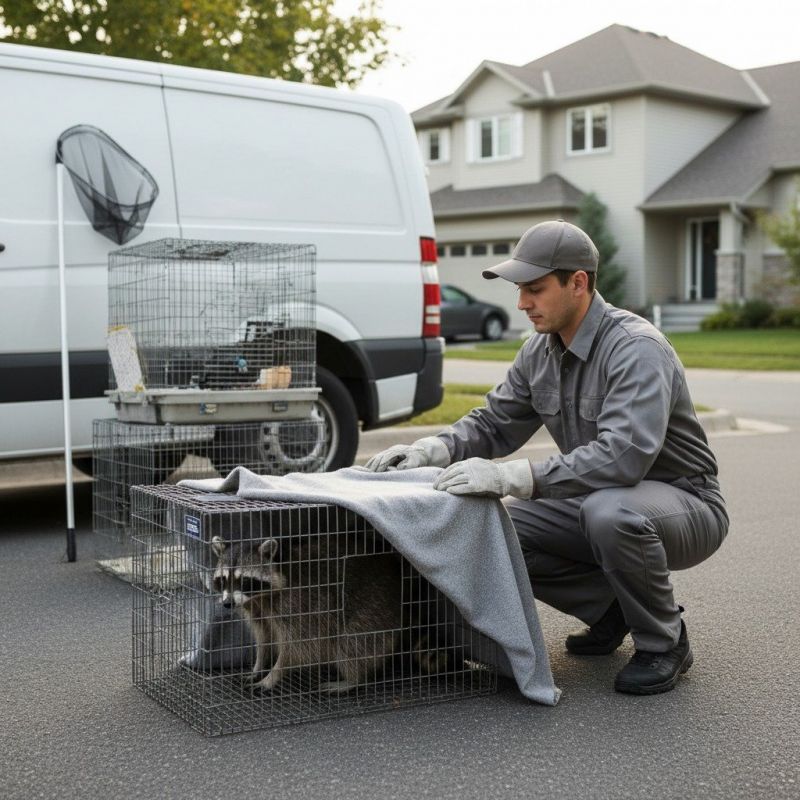
Understanding the common entry points raccoons use to access buildings can help property owners identify vulnerabilities that might lead to unwanted wildlife intrusions. Raccoons are known for their dexterity and curiosity, often exploiting small openings such as gaps around vents, loose shingles, or damaged soffits. These entry points are frequently found in attics, rooflines, or near chimneys, especially in areas where buildings have aging or deteriorating exterior features. Recognizing these potential access points can be an important step in preventing raccoons from entering and causing damage or creating health concerns.
When property owners notice signs of raccoon activity or suspect an intrusion, reaching out to local contractors experienced in raccoon removal can be an effective solution. These service providers are equipped to assess the property for common entry points and recommend appropriate repairs or sealing measures. Properly addressing these vulnerabilities not only helps remove raccoons safely but also reduces the likelihood of future visits. Connecting with experienced local professionals ensures that the job is handled efficiently and thoroughly, helping to protect buildings from ongoing wildlife issues.
What are common entry points raccoons use to access buildings? Raccoons often access buildings through roof vents, damaged soffits, chimneys, broken or unsecured attic vents, and gaps around utility lines or pipes.
How can I identify potential raccoon entry points on my building? Signs include gnawed areas, displaced or damaged vent screens, droppings near entry sites, and visible holes or gaps in roofing or siding where raccoons could enter.
Why should I consider professional removal services for raccoon entry points? Local contractors can effectively identify and seal common entry points, preventing raccoons from re-entering and reducing potential property damage or health risks.
Are roof vents and chimneys typical entry points for raccoons? Yes, raccoons frequently use roof vents and chimneys as entry points because they provide accessible access to attics and roof spaces.
Can sealing entry points prevent raccoons from returning? Properly sealing common entry points is an effective way to block raccoon access, and local service providers can help ensure all potential openings are secured.
Identifying entry points in attics and roof vents - property owners can work with local contractors to inspect and seal gaps around vents and attic openings to prevent raccoon access.
Securing foundation and basement openings - ensuring basement windows, doors, and foundation cracks are properly closed can block raccoons from entering through these common points.
Checking for damaged or loose siding and trim - replacing or repairing damaged siding helps eliminate gaps raccoons may use to access the building envelope.
Installing raccoon-proof barriers on chimneys and vents - local service providers can help install specialized barriers to block raccoon entry through chimney flues and ventilation openings.
If you are thinking about common entry points raccoons use to access buildings for a property, this guide is meant to help you understand this topic, the typical project types, and how different options might fit your plans.
When you are ready, you can use the quote form on this page to share a few details about your project. From there, local pros can review the basics and follow up with options that match what you have in mind.