Fly Infestation Extermination in Fort Worth, TX
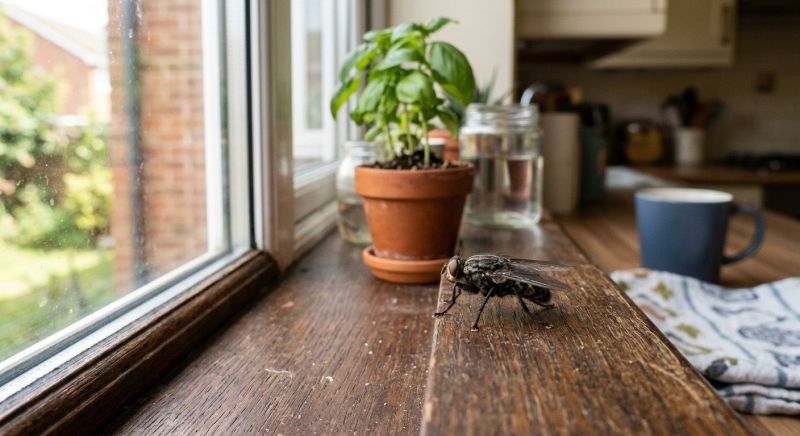
Fly infestation extermination services focus on identifying and eliminating populations of flies that have become a nuisance within residential properties. These services typically cover a range of projects, including treatment of indoor spaces, outdoor areas such as yards and patios, and the removal of breeding sites like trash areas, compost bins, or decaying organic matter. Homeowners often seek these services when experiencing persistent fly problems, especially during warmer months, or after noticing an increase in fly activity around their property.
Before requesting fly extermination, property owners usually want to understand the extent of the infestation, the types of flies involved, and the most effective treatment methods available. It's also helpful to know about any specific areas that may be contributing to the problem, such as uncovered trash or standing water, to ensure comprehensive control. Clear communication about the property's layout and potential breeding sites can assist in developing an effective plan for reducing fly populations and preventing future issues.
Many property owners in Fort Worth, TX look into Fly Infestation Extermination for repairs, replacements, upgrades, and appearance-related improvements.
Fly Infestation Prevention
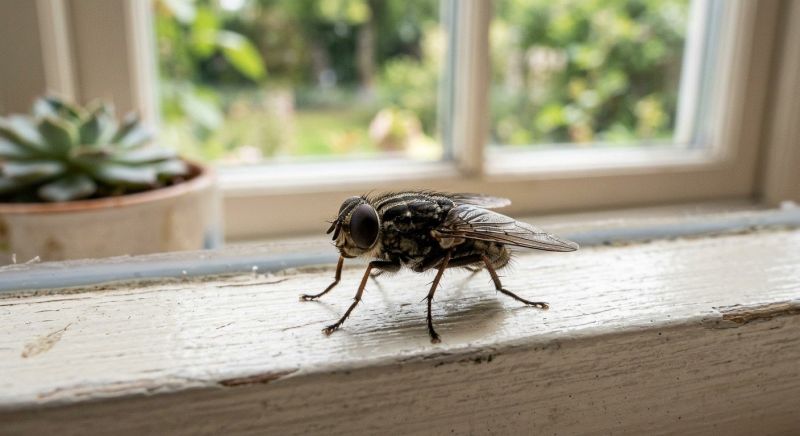
Proper sanitation and sealing entry points help reduce fly populations in homes and businesses.
Signs Of Fly Infestation
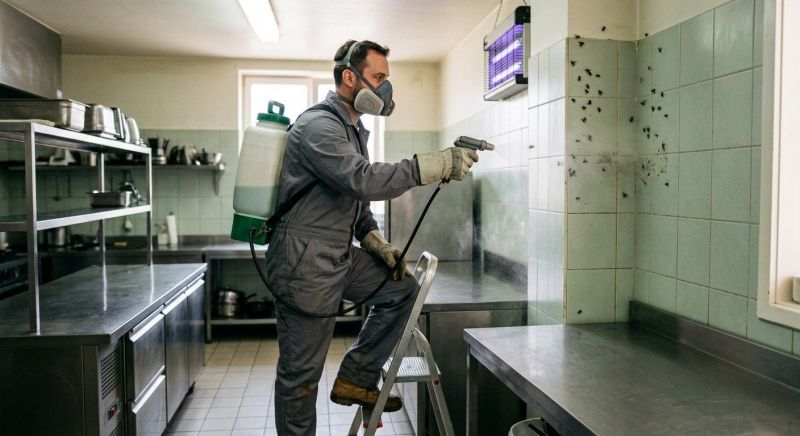
Common indicators include swarms around trash, foul odors, and visible fly activity indoors or near waste areas.

Effective Extermination Methods
Targeted treatments and environmental management are used to eliminate flies and prevent future invasions in fort worth, tx.
Fly Infestation Extermination in Fort Worth, TX
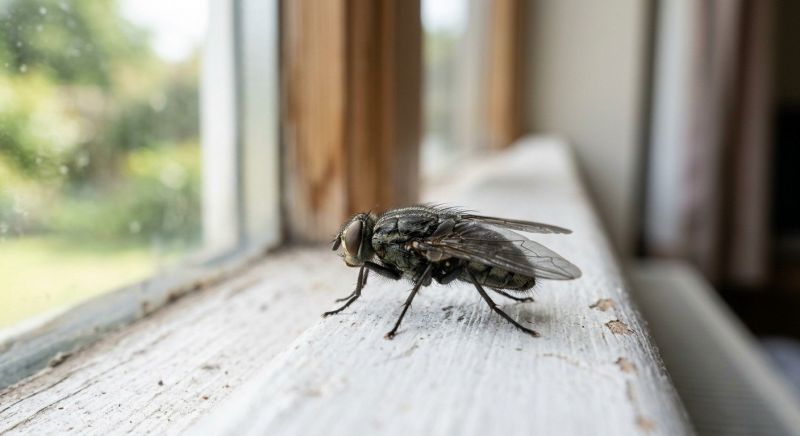
Fly infestation extermination services focus on identifying and eliminating populations of flies that have become a nuisance within residential properties. These services typically cover a range of projects, including treatment of indoor spaces, outdoor areas such as yards and patios, and the removal of breeding sites like trash areas, compost bins, or decaying organic matter. Homeowners often seek these services when experiencing persistent fly problems, especially during warmer months, or after noticing an increase in fly activity around their property.
Before requesting fly extermination, property owners usually want to understand the extent of the infestation, the types of flies involved, and the most effective treatment methods available. It's also helpful to know about any specific areas that may be contributing to the problem, such as uncovered trash or standing water, to ensure comprehensive control. Clear communication about the property's layout and potential breeding sites can assist in developing an effective plan for reducing fly populations and preventing future issues.
Many property owners in Fort Worth, TX look into Fly Infestation Extermination for repairs, replacements, upgrades, and appearance-related improvements.
Common Fly Infestation Extermination Jobs
Fly Infestation Extermination Services - Eliminates persistent fly populations from residential and commercial properties.
Fly Control Treatments - Uses targeted methods to reduce adult flies and prevent breeding.
Sanitation and Debris Removal - Addresses sources of attraction to minimize fly breeding sites.
Infestation Inspection - Identifies entry points and breeding areas to inform effective treatment plans.
Preventive Fly Barrier Installation - Implements physical barriers to keep flies from entering indoor spaces.
Ongoing Fly Management - Provides advice and solutions to maintain fly-free environments over time.
Fly Infestation Extermination Questions
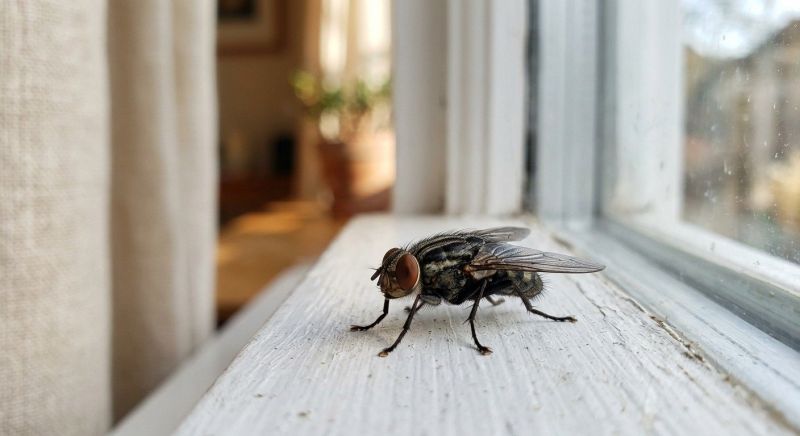
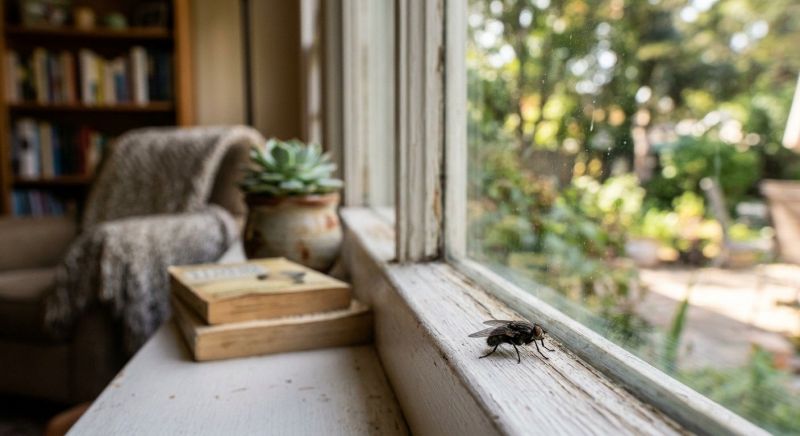
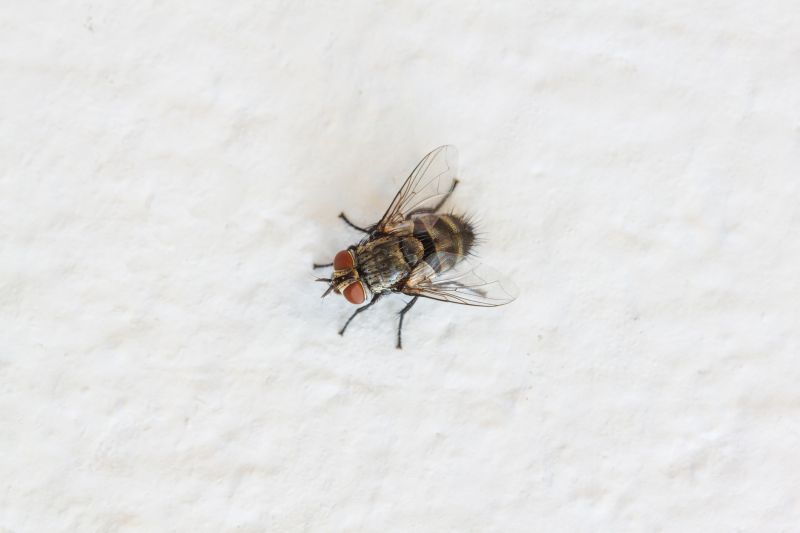
What are common signs of fly infestations? Visible flies around windows, doorways, or near trash cans indicate a possible infestation. You may also notice an unpleasant odor or fly larvae in moist areas.
Which areas are most vulnerable to fly infestations? Kitchens, basements, trash areas, and outdoor compost sites are common spots where flies tend to breed and gather.
How do fly infestations typically develop? Flies often lay eggs in decaying organic matter, which hatch into larvae, then pupate into adult flies. Warm, moist environments accelerate this process.
What property features can attract flies? Standing water, uncovered garbage, pet waste, and compost piles can attract flies and support their breeding cycles.
Request Fly Infestation Extermination in Fort Worth, TX
Use the quote form on this page to share the basics of your project and request more information for the type of work you need.